- CIOsurge
- Posts
- 🔐 IBM targets sovereign computing without hyperscaler lock-in
🔐 IBM targets sovereign computing without hyperscaler lock-in
Shadow AI Adoption Surfaces, Sovereign Computing Advances, Culture Becomes the AI Battleground


Aimply Team & Zack Tembi
January 22, 2026

Shadow AI Adoption Surfaces, Sovereign Computing Advances, Culture Becomes the AI Battleground

Powered by Single Fin
Welcome to this week’s edition of CIOsurge!
This week:
From my conversation with Michael Silva, the reality is that most organizations are already using AI before leadership formally approves it, making discovery and visibility the true starting point for governance.
IBM’s sovereign computing push reflects a broader shift where control, identity, and compliance matter more than cloud location, especially for regulated AI workloads.
A CEO-led AI overhaul shows how deeply culture shapes outcomes, reinforcing that successful AI adoption depends less on tools and more on alignment, trust, and leadership clarity.
Let’s make this week a game-changer.
Stay sharp. Stay ahead.

⚡ OpenAI locks in massive compute deal to accelerate AI inference

OpenAI signed a multi-year deal worth over $10B with Cerebras Systems to secure 750 MW of compute through 2028. The agreement targets faster inference for products like ChatGPT, using Cerebras wafer-scale systems as a high-speed alternative to GPUs, according to Bloomberg.
This is a reminder that AI strategy is now inseparable from infrastructure strategy. When leading AI platforms are locking in dedicated silicon years in advance, it underscores how compute access, not models alone, is becoming the real bottleneck.
For CIOs, the implication is clear. As AI workloads shift from experimentation to real-time, user-facing systems, inference performance and capacity planning matter as much as cost. Expect more long-term, vertically integrated compute bets, and more pressure on enterprises to think several years ahead when aligning AI ambitions with infrastructure reality.
💡 Guest Expert Insights: Michael Silva
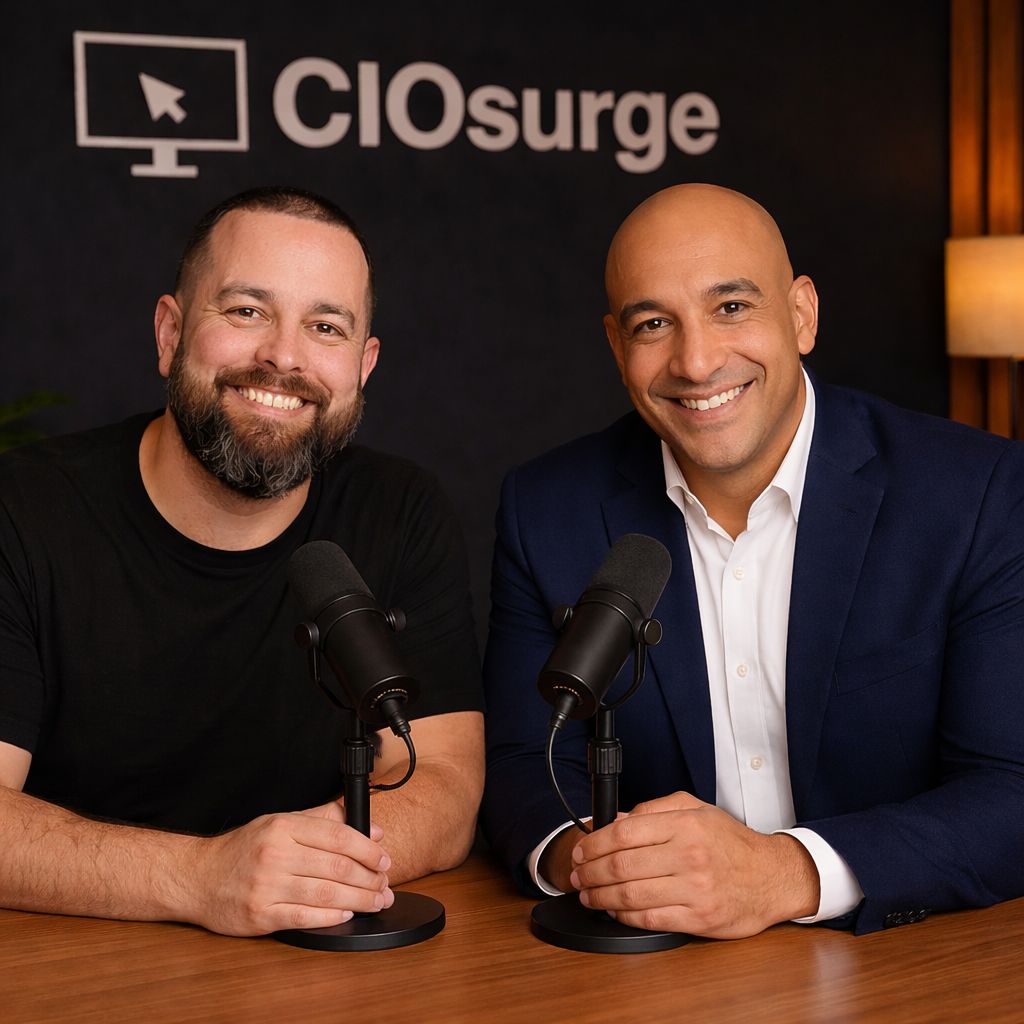
🔍 If You Think You’re “Just Starting AI,” You’re Probably Late
Most organizations don’t start AI intentionally. Employees adopt it first, and leadership finds out later.
One of the most grounded points Michael made is that AI rarely enters an organization through a formal decision. Teams experiment on their own, connect tools to real data, and move fast. By the time leadership asks whether they should adopt AI, the answer is usually that it’s already happening.
That makes discovery the real starting point. Before policies, platforms, or governance models, leaders need visibility into what tools are in use and how data is moving. Only then can they answer the harder questions around intent, expected outcomes, and acceptable risk.
🔐 IBM targets sovereign computing without hyperscaler lock-in

IBM unveiled Sovereign Core, a software stack designed to let enterprises and governments run sovereign workloads across on-prem, partner infrastructure, or other clouds without relying on hyperscaler-managed regions. By keeping identity, encryption keys, and compliance controls under customer authority, IBM aims to simplify regulatory compliance and move sensitive AI workloads into production.
This directly addresses a growing pain point for CIOs operating under tighter data residency and audit requirements. Sovereignty is no longer just about where data sits, but who controls access, updates, and compliance evidence. A software-defined approach gives IT leaders more leverage and flexibility as regulations intensify.
The bigger implication is for AI. Many organizations are stuck running pilots because they cannot reconcile public cloud models with sovereign data rules. If IBM can deliver consistent governance across environments, this becomes a practical path to deploy AI at scale without compromising regulatory posture or long-term architectural freedom.
- Zack Tembi
🤖 A CEO bets the company on AI and remakes the workforce
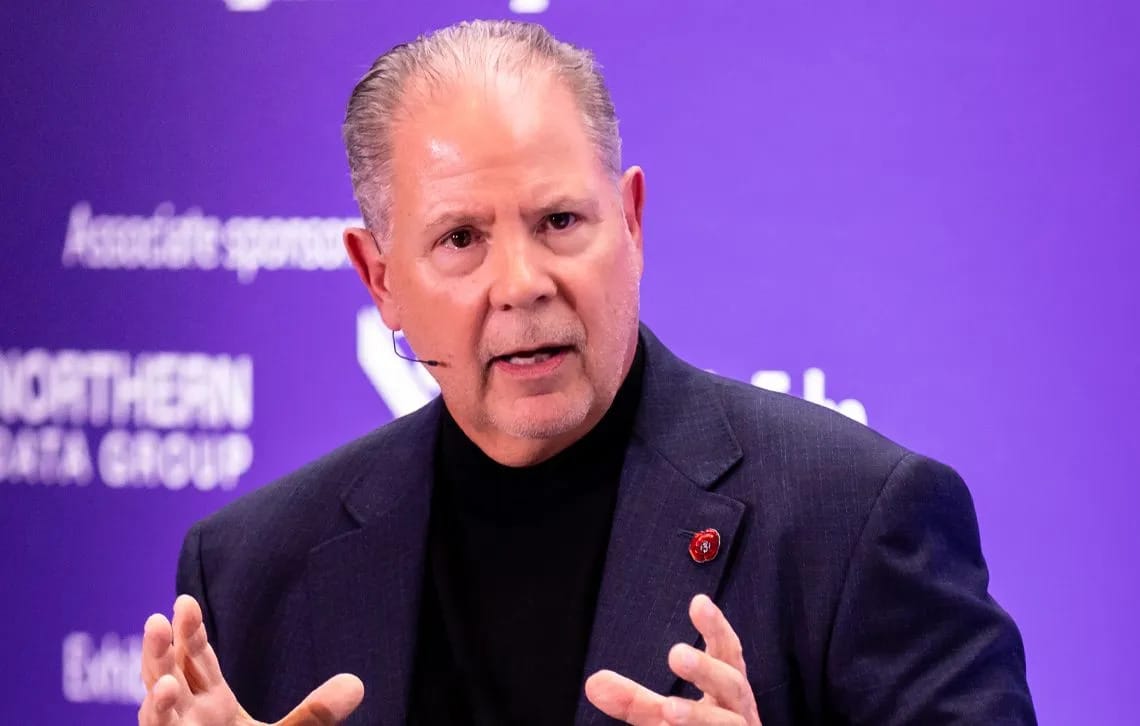
IgniteTech CEO Eric Vaughan eliminated nearly 80% of staff after widespread resistance to an AI-first mandate, arguing belief mattered more than skills. Two years later, the company reports strong margins, rapid product development, and centralized AI execution, reinforcing Vaughan’s view that AI adoption is fundamentally a cultural and organizational transformation.
This is an extreme example, but it highlights a tension many CIOs are already managing quietly. AI resistance is rarely about tooling. It is about trust, fear, incentives, and whether employees believe leadership actually knows where the organization is going. When that belief breaks down, no amount of training budget will fix it.
The lesson here is not to replicate the layoffs, but to take culture seriously. AI adoption requires clarity, visible commitment, and shared ownership across the business. If teams feel AI is something being imposed rather than something they are building with purpose, progress stalls. Alignment, not brute force, is what determines whether AI becomes leverage or chaos.
- Zack Tembi
🗞️ At A Glance

💡 CIO Spotlights
IonQ brings former Pentagon CIO Katie Arrington into the C-suite

IonQ appointed Katie Arrington as CIO starting Jan. 19, tasking her with modernizing enterprise systems and strengthening cyber and supply-chain resilience.
Arrington comes from the Department of War, where she served as acting CIO and previously led defense-wide cybersecurity and CMMC implementation.
Her hire signals IonQ’s push to pair rapid quantum growth with national-security-grade governance and operational discipline.
BioMarin names Arpit Davé to lead digital, data, and AI strategy
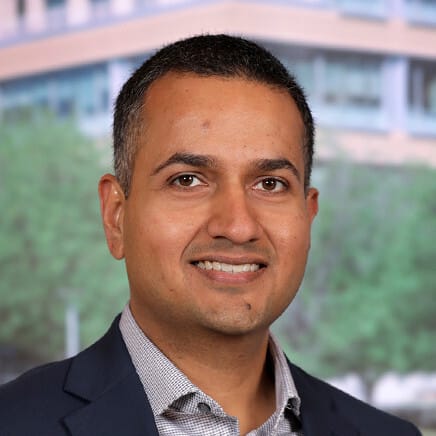
BioMarin appointed Arpit Davé as its first Chief Digital and Information Officer, reporting to CEO Alexander Hardy, to lead enterprise tech and AI strategy.
Davé brings 20+ years in biopharma IT and AI, most recently driving AI-led transformation at Amgen after senior roles at BMS and Merck.
Leadership sees Davé as central to accelerating R&D, manufacturing, and commercial execution as BioMarin scales digital innovation.
Reply