- CIOsurge
- Posts
- AI traffic surge threatens enterprise network stability
AI traffic surge threatens enterprise network stability
AI Traffic Surges Strain Networks, Agent Ecosystems Expose New Attack Surface, CIOs Confront Infrastructure Era Risks

Zack Tembi
February 23, 2026
AI Traffic Surges Strain Networks, Agent Ecosystems Expose New Attack Surface, CIOs Confront Infrastructure Era Risks
Powered by Single Fin
Welcome to this week’s edition of CIOsurge!
This week:
AI driven traffic is shifting networks from predictable human demand to bursty machine scale loads, forcing CIOs to rethink capacity, redundancy, and real time resiliency before instability hits production systems.
Cisco warns that AI agent integrations are creating a largely unmonitored attack surface where privileged automation can be exploited, meaning governance and least privilege controls must come before deployment.
The common thread is architectural: AI is no longer just software strategy, it is infrastructure risk management, and the organizations that treat it that way will outlast the ones that treat it as a feature rollout.
Let’s make this week a game-changer.
Stay sharp. Stay ahead.

AI traffic surge threatens enterprise network stability

Rising AI adoption is driving unpredictable, machine-paced traffic that existing networks were never designed to handle. Studies show only 49% of organizations believe their infrastructure can support AI’s bandwidth and latency demands. Experts warn that without redundancy, traffic shaping, and multicloud resilience, AI-driven surges could trigger outages, degraded performance, and cascading failures across business systems.
The shift from human-paced to machine-paced traffic is one of the biggest architectural transitions enterprise IT has faced. AI workloads generate constant, bursty demand, which means traditional capacity planning models no longer apply. If your network strategy assumes predictable growth curves, it is already outdated.
This is a wake-up call to treat AI as an infrastructure risk category, not just an application layer. CIOs should be stress-testing networks for extreme usage scenarios, building failover across regions and providers, and monitoring provider health in real time. The organizations that win with AI will be the ones whose infrastructure can survive it.
- Zack Tembi
Cisco flags hidden AI attack surface in agent ecosystems
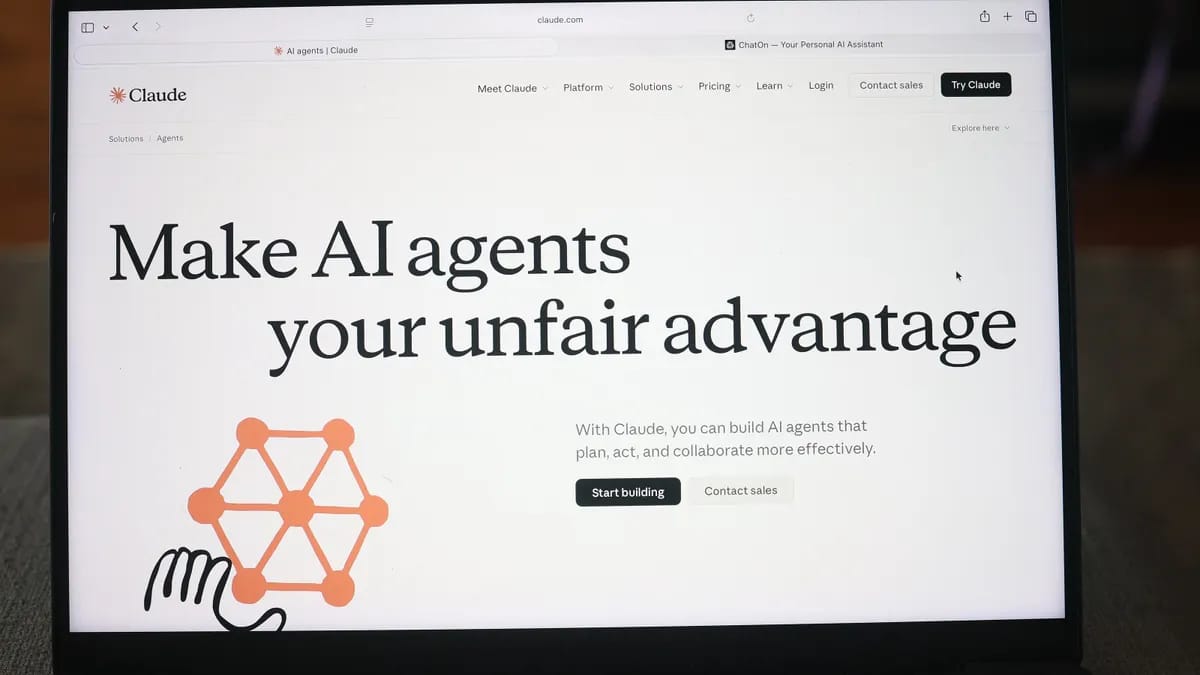
Cisco warns that the protocols connecting AI systems to tools and data create a largely unmonitored attack surface that hackers can exploit for code execution, data theft, and supply-chain attacks. The report cautions against giving AI agents broad privileges and likens potential model or library compromises to a SolarWinds-scale crisis that could trigger industrywide fallout.
This should reset how we think about AI risk. The danger is not just the model. It is the plumbing around it. When agents can access systems, send data, and execute actions, they become privileged actors inside your environment. That means their integrations must be secured like production infrastructure, not experimental tooling.
For CIOs, the takeaway is governance before scale. Least-privilege access, strict monitoring, and vendor scrutiny are now baseline requirements for AI deployments. If organizations treat agent frameworks casually, attackers will not. The next major breach may not come from a vulnerability in your stack, but from the AI tool you trusted to run it.
- Zack Tembi
🗞️ At A Glance

💡 CIO Spotlights
Brown & Brown taps Dori Henderson to steer enterprise tech strategy
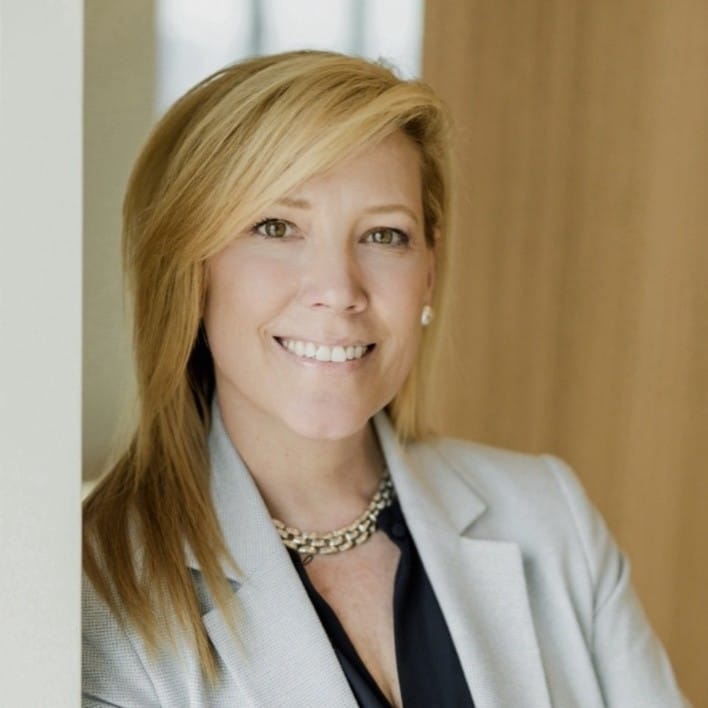
Dori Henderson joins as CIO to lead enterprise tech, AI strategy, security, and digital capability expansion across Brown & Brown.
Former CareFirst digital CIO, she brings experience modernizing platforms, boosting resilience, and tying IT to business value.
CEO Powell Brown says her leadership arrives at a pivotal moment for scaling innovation and improving customer and employee tech experiences.
BayCare promotes Robert Carvajal to CISO to lead cyber strategy
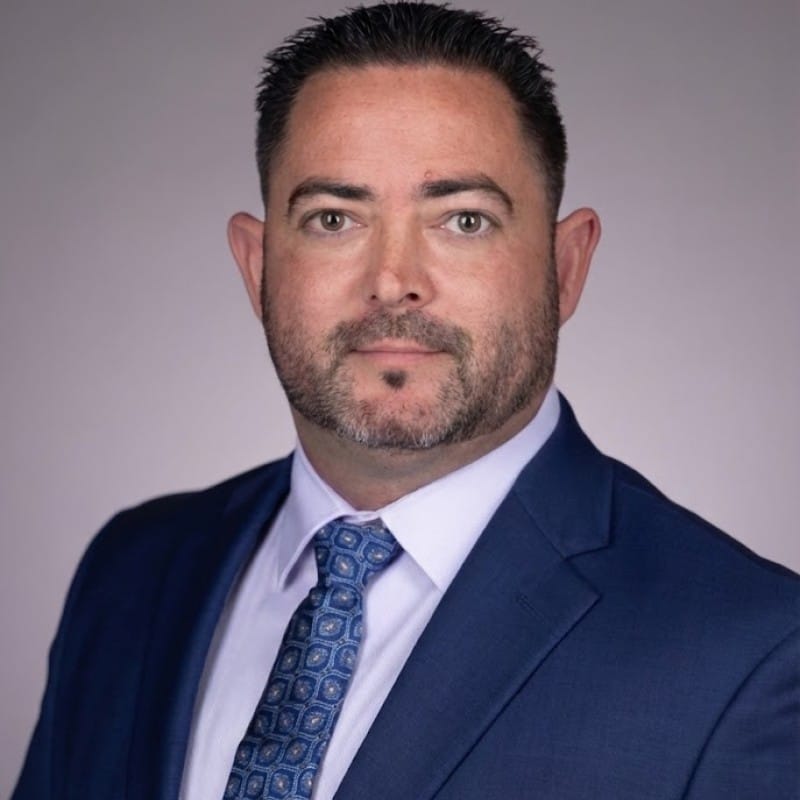
Robert Carvajal, a longtime BayCare security leader, is named CISO to oversee cybersecurity, governance and secure health data exchange.
He previously led enterprise security ops, incident response and threat intelligence across the system.
CIO Lynnette Clinton cites his leadership and expertise as key to protecting systems while enabling digital health innovation.
Reply